Process Over Product: Nurturing Creativity Without the Pressure
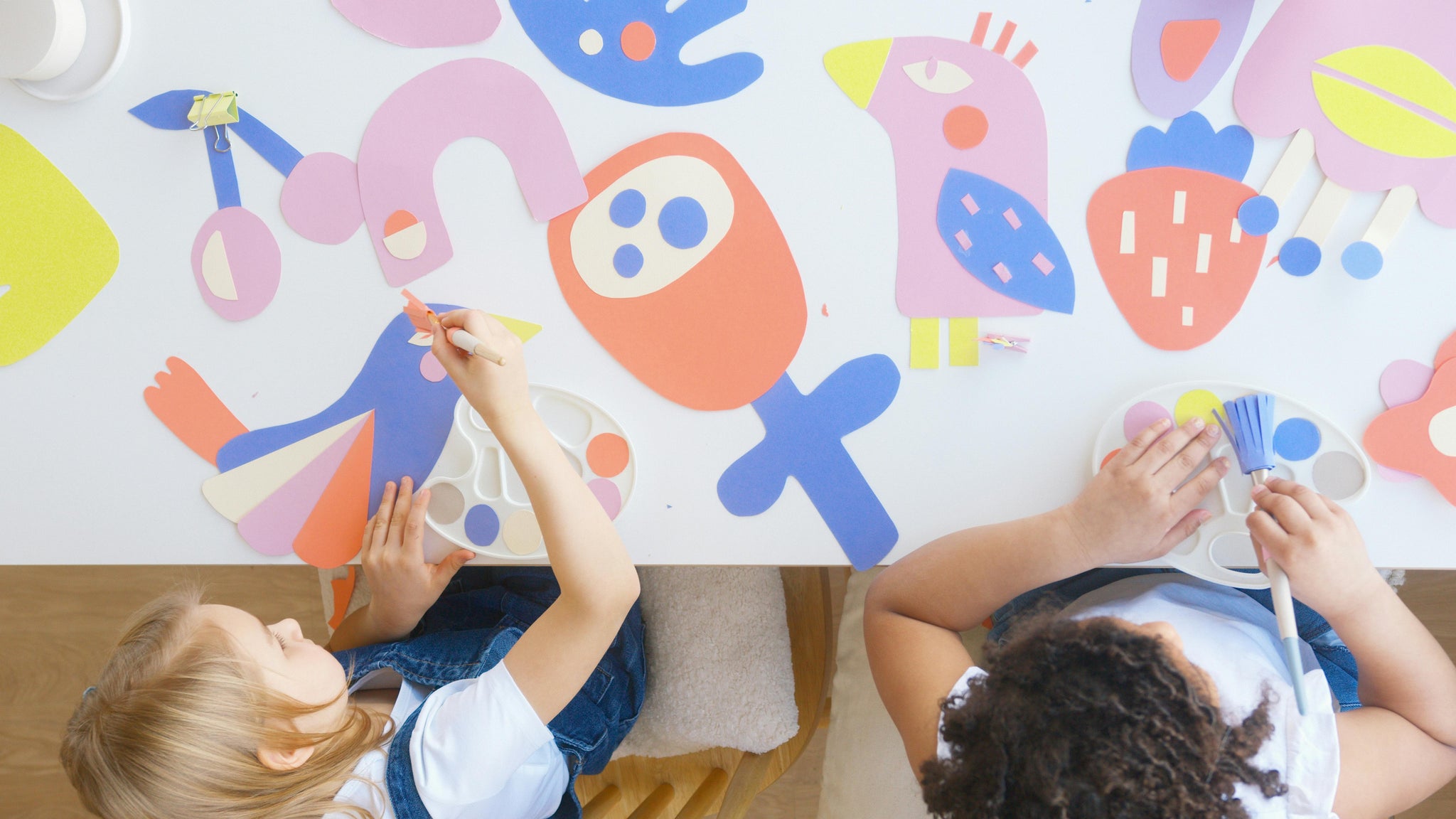


Art is one of the few subjects where kids can explore without needing to get the “right” answer. If you’ve ever felt the pressure to hang a “perfect” piece of your child’s artwork on the fridge, or noticed your child crumple up their drawing because it “doesn’t look right,” you’re not alone.
In many homeschool settings, it’s easy to focus on the outcome of an art project rather than the experience behind it. But here’s a refreshing truth: what matters most in art is not the final product, but the process.
When we let go of expectations and perfectionism, we make room for imagination, problem-solving, and real joy. This blog will explore how focusing on the process helps children build confidence, think creatively, and love learning. Plus, we’ll offer practical tips for nurturing that creativity, without the pressure.
What Happens When Creativity Gets Stifled?
When children feel like their art needs to look a certain way, or match someone else’s expectations, they can start to doubt their own abilities. This is especially true for perfectionist kids. If they’re worried about doing it “right,” they may avoid starting altogether, rush through the activity, or give up halfway.
Stifling creativity doesn’t just lead to frustration; it can discourage risk-taking and exploration in all areas of learning. When kids believe there’s only one correct answer or way to create, they may struggle with problem-solving, innovation, and independent thinking later on.
Encouraging open-ended, pressure-free art experiences allows children to embrace mistakes as part of the process. They begin to see that not everything has to be perfect, and that’s where real creativity lives.
Why Perfectionism Hurts Creativity
Perfectionism can look like focus or extreme discipline to meet unrealistic goals, but in young children, it often results in anxiety and avoidance. A child may erase a drawing repeatedly, get frustrated when colors mix, or resist starting a new project because they’re afraid it won’t be good enough.
This mindset limits their creativity and freedom to think without restrictions. Instead of exploring new techniques or experimenting with materials, perfectionists stick with what they know. They miss out on the joy of discovery because they’re chasing approval.
Focusing on the process teaches children that it’s okay to try new things and that there’s beauty in the unexpected. Over time, this helps them develop resilience and confidence, which benefits their learning in every subject.
How to Handle Frustration During Art Time
Frustration is a natural part of creating, but how we respond to it can make all the difference.
First, validate your child’s feelings. If they’re upset, acknowledge it: “It’s frustrating when something doesn’t come out the way you imagined.” Then, gently redirect them: “Let’s see what happens if we try something different.”
Sometimes all they need is a break. Offer them space to step away, then come back with fresh eyes.
Hot Tip: You can also create a “mistake jar” where every creative error becomes a funny drawing or wild invention. This helps kids reframe mistakes as opportunities.
Modeling your own imperfect art can also ease their stress. Sit beside them and draw something silly. Laugh at your own wobbly lines or color choices. Show them that art doesn’t have to be serious, it just has to be sincere.
5 Tips to Keep Creativity Joyful and Free
1. Embrace Open-Ended Materials
Provide supplies that invite exploration: watercolor paints, oil pastels, fabric scraps, glue, and recycled materials. Instead of a specific assignment, give a loose prompt like, “Make something that reminds you of a sound,” and let them interpret it however they like. It is interesting to see where their little minds go.
2. Focus on the Experience
Talk to your child about what they enjoyed most. Was it the feel of the paintbrush, the sound of scissors, or the color combinations they created? Ask questions like, “What did you try that was new?” or “What surprised you while you were creating?”
3. Avoid Comparison
Display a variety of artwork at home and celebrate uniqueness. Remind kids that their art doesn’t need to look like anyone else’s. Point out how different styles bring different feelings and stories to life. Comparison is another thief of joy and independent creativity.
4. Create Alongside Them
Instead of instructing, participate. Use the same materials and let them see you experimenting too. Share your thoughts out loud: “I’m not sure how this will turn out, but I’m going to try it anyway.” This models bravery and vulnerability.
5. Make a Habit of Creative Time
Keep art a consistent, low-pressure activity in your routine. This could mean 15 minutes of free drawing after lunch or Friday “art exploration” afternoons. The more regular it is, the more relaxed it becomes. It can be a good transition activity or an end-of-day, wind-down.
Art Is for Parents, Too
Parents often feel they need to be artists to teach art, but that’s not true. You don’t need to know fancy terms or master perspective to support your child’s creativity. In fact, when you approach art with curiosity and openness, you’re giving your child the best example.
Think of yourself as a facilitator rather than a teacher. Your job is to offer space, tools, and encouragement—not to direct every stroke. Let your child lead and discover.
And don’t forget: you deserve to enjoy the process, too. Taking time to create side by side with your child can strengthen your connection, reduce your own stress, and remind you of the joy that comes from playful exploration.
The Bottom Line: Let Art Be Messy, Silly, and Real
Perfectionism, frustration, and comparison can quickly turn art into a stressful experience. But when we focus on the process instead of the product, we give children the freedom to explore, grow, and trust their own voice.
At Outside the Box Creation, our art curriculum is designed with this philosophy in mind. Every monthly art box includes thoughtfully planned lessons that emphasize exploration, not perfection. With curated materials, open-ended projects, and guided support, you and your child can dive into meaningful art experiences without the pressure.
Celebrate creativity for what it is: a journey, not a checklist. Let art time be joyful, messy, reflective, and real.
Ready to nurture your child's creativity without the pressure? Explore our monthly art curriculum kits at Outside the Box Creation.
Sources:
Perfectionism in Children: Types, Signs, and What to Do – Mental Health Center Kids