Watercolor Wonders: 5 Easy Techniques for Young Homeschool Artists
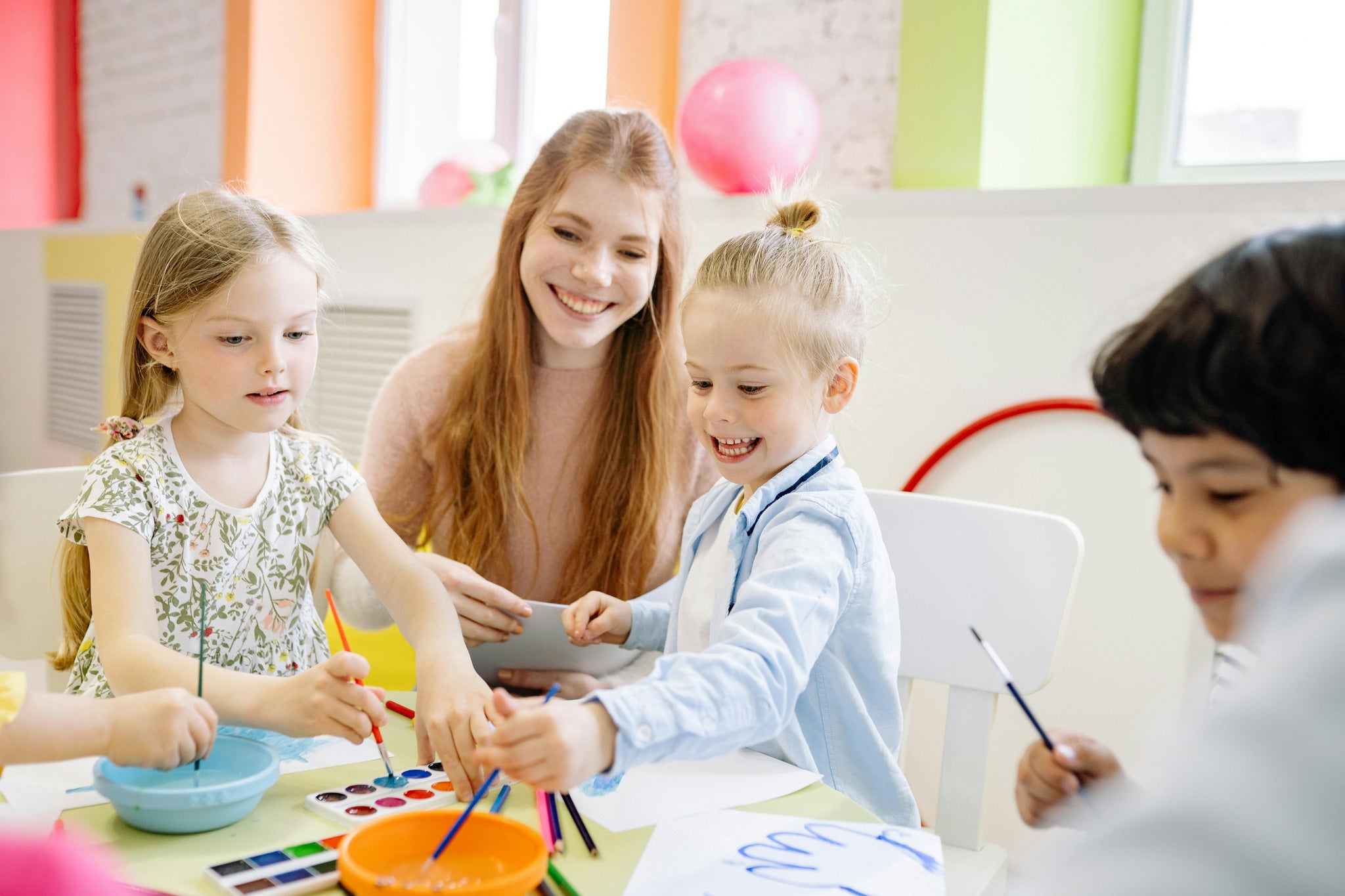


Watercolor art has a way of making even the simplest moment feel magical. But for many homeschool parents, the idea of handing a brush and a cup of water to a curious young artist can spark anxiety. Will it stain the table? Will it end in tears or a mess?
Good news: Watercolor doesn’t have to be complicated or chaotic. In fact, it’s one of the most versatile and approachable art mediums for kids of all ages—and with the proper guidance, it can become a joyful, low-stress part of your homeschool routine.
In this guide, you’ll discover what watercolor is, why it’s perfect for early learners, five easy techniques to get started, and how to keep the mess under control. Let’s dive in.
What Is Watercolor in Art?
Watercolor is a painting method that uses pigments suspended in water. These transparent or semi-transparent paints allow for light to shine through the layers, creating soft blends, dreamy textures, and vivid or subtle tones.
Unlike thicker paints like acrylic or tempera, watercolors require only a small amount of paint and water to achieve beautiful results. Artists often apply them in layers, starting light and adding more detail and contrast as they go.
Watercolor can be applied with brushes, sponges, salt, and even droppers, making it an open-ended and sensory-rich experience for young learners.
Why Is Watercolor a Good Art Lesson for Young Learners?
Watercolor is incredibly forgiving. It’s perfect for experimentation and encourages creativity without the pressure of being perfect.
Here’s why it works so well for kids:
-
It builds fine motor skills because using a brush helps strengthen hand-eye coordination and dexterity. It promotes emotional expression through the softness of watercolors, which invites a calm, meditative approach to creating.
-
It encourages layering and patience—kids learn to wait for paint to dry and how to build up a piece over time.
-
It offers low risk and big rewards since mistakes are easy to transform into new ideas, encouraging resilience.
-
Finally, it's versatile for all ages, whether your child is five or ten; watercolor can be adjusted to match their skill level. Plus, watercolor painting feels like play. It’s full of surprises, which keep children interested, engaged, and willing to explore.
5 Easy Techniques to Teach Watercolor Art
You don’t need to be a trained artist to teach watercolor. These beginner-friendly techniques are fun, approachable, and perfect for homeschoolers:
1. Wet-on-Wet Painting
Lightly dampen the paper with clean water using a brush. Then, load the brush with watercolor paint and apply it to the wet surface. Watch the colors bloom and spread like magic! This technique is ideal for abstract art, backgrounds, or sky scenes.
Encourage your child to mix colors and observe how they blend naturally on the page. Ask your student, "What shapes or patterns do you see forming?" This builds observation skills and imagination.
2. Salt Texture Effect
While the watercolor paint is still wet on the page, sprinkle a small amount of table salt over the painted area. Let it sit and dry thoroughly. As the paint dries, the salt absorbs some of the moisture, creating beautiful, starburst-like patterns.
Use this technique in winter scenes or galaxy paintings. Let your child shake off the salt after it dries and talk about the textures created.
3. Crayon Resist
Have your child draw with a white or colored crayon on watercolor paper first. Then paint over the area with watercolor. The wax in the crayon resists the paint, revealing hidden lines and patterns. This technique is perfect for secret messages or creating outlines. Suggest drawing shapes or letters first and ask, "What do you think will show up when we paint over it?"
4. Tape Resist Shapes
Use painter’s tape or masking tape to create designs or geometric shapes on watercolor paper. Paint over the entire sheet, then peel off the tape once dry. This technique creates sharp edges and contrast, helping children explore positive and negative space. Turn these designs into greeting cards or bookmarks.
Encourage your child to layer colors or create patterns within the shapes.
5. Blow Painting
Place a small drop of watercolor paint onto the paper and have your child blow through a straw to spread the color in different directions. This method helps develop breath control and coordination while encouraging spontaneity and playfulness. Use this for monster shapes, coral reefs, or wild abstract designs.
Ask, "What does this remind you of?"
How to Manage the Mess
One of the top reasons parents avoid watercolor is fear of mess. But with a few simple setup tips, watercolor can be as tidy as crayons. A little prep makes a big difference.
-
Prep your space: Lay down a plastic tablecloth, tray, or placemat to define the art zone and protect your surfaces.
-
Use washable supplies: Choose watercolor sets labeled as washable for easier cleanup, especially for younger children.
-
Choose smaller water cups: Ramekins or small sauce cups help minimize spills and tip-overs.
-
Dress for success: Let kids wear old t-shirts, smocks, or aprons to keep their clothes protected.
-
Keep cleaning supplies handy: Paper towels, baby wipes, or reusable cloths should be within reach.
-
Set up a drying zone: Designate a space where wet artwork can safely dry without smudging or being stepped on.
-
Teach cleanup habits: Build cleanup into the lesson. Let kids rinse their brushes, wipe down the table, and put supplies away.
With a system in place, managing watercolor time becomes routine and much less intimidating.
The Bottom Line
Watercolor art provides young homeschoolers with an opportunity to explore color, movement, and creativity in a joyful, low-pressure environment. With simple techniques, a little setup, and encouragement to play, you can guide your child through meaningful, hands-on learning. And the best part? You don’t need to be an art expert.
With Outside the Box Creation's art curriculum kits, everything you need to explore watercolor—from supplies to step-by-step instructions—is already included. Our lessons are designed to take the guesswork out of teaching art, helping parents build confidence while giving kids the freedom to explore and create.
So grab a brush, fill a cup with water, and see where the colors take you. Wonder awaits.
Sources:
Watercolour | Painting, Techniques, Pigments | Britannica